
"Good People Make the Difference"
HVAC Solutions for the Hospitality Industry
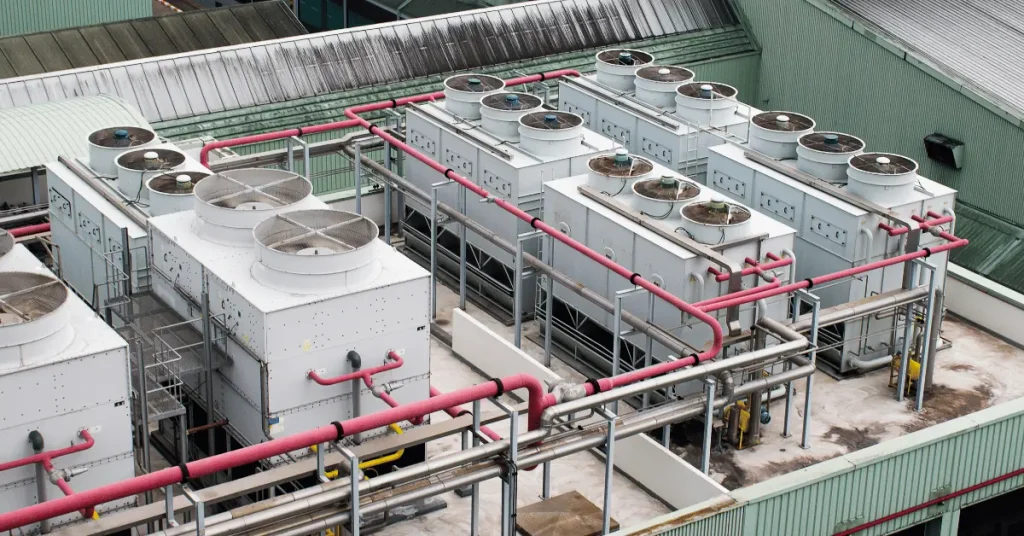
The hospitality industry encompasses numerous different kinds of businesses, from eateries to hotels and travel agencies. But regardless of the type, they all involve catering to customers and giving them the service, they need. And when it comes to satisfying your customers, your first priority should always be their comfort when they are in your establishment, whether that is a restaurant or an office.
The biggest contributing factor to your guest’s comfort is undoubtedly the HVAC system you have on the premises. A well-designed and effective HVAC system can enhance guest experience, leading to higher satisfaction and repeat business.
TL;DR – Key Takeaways● Effective HVAC solutions for the hospitality industry are important to keep customers comfortable and satisfied. ● HVAC solutions for hotels, resorts, restaurants, travel agencies, and other hospitality businesses can include heat pumps, central ACs, and smart thermostats. ● Factors that should be taken into consideration when choosing an HVAC solution for such businesses are the size of your property, the local climate, and occupancy levels. ● It is also important to invest in frequent maintenance of your HVAC units to ensure longevity. |
The Importance of HVAC in Hospitality
When it comes to the hospitality industry, guest comfort and satisfaction are of the greatest importance. A reliable HVAC system maintains the right temperature and humidity levels inside, regardless of the weather outside. HVAC systems also help to maintain proper air quality indoors by filtering out dust and other pollutants or allergens in the air, further enhancing guest comfort. Effective heating and cooling can be a big expense for your business, but modern HVAC systems are designed to be as energy-efficient as possible, which can lead to substantial cost savings over time. The hospitality sector is highly competitive, and you need every advantage you can get over your competitors. A good HVAC system can be this advantage that makes all the difference.
HVAC Solutions for the Hospitality Industry
1. Heat Pumps
Heat pumps function similarly to air conditioners, with a key difference being that they can heat a space just as they can cool it. This dual functionality makes them an efficient and cost-effective choice for both residential and commercial purposes. There are different types of heat pumps available on the market, such as absorption heat pumps and air-source heat pumps. The most efficient among these are geothermal heat pumps that use the Earth’s ability to maintain a constant temperature underground and can reduce energy consumption significantly.
2. Central Air Conditioner
For commercial spaces that require cooling multiple rooms, central ACs can be the perfect choice. In a central air conditioning system, the air is cooled at a singular compressor unit that is usually located outside, and then the air is distributed indoors to individual rooms through ducts. One disadvantage to central ACs is the necessity of a duct system.
3. Smart Thermostats
Modern smart thermostats come with many features. They have sensors that can not only monitor the temperature and adjust the AC accordingly but also collect data on energy usage that can be analyzed for optimal performance. They can also be controlled using smartphones or tablets as these devices are connected to the internet and can be operated remotely, providing guests with convenience and control over their comfort.
3 Factors to Consider When Choosing an HVAC Solution for Your Hotel or Restaurant Business
1. Size and Layout
The size and layout of your building or property will be crucial for determining what type of HVAC system you need and more importantly what size. Your cooling and heating system must be the right size to get the best performance, something you will not get from an oversized or undersized system which may cause you to run into problems like uneven cooling and frequent cycling.
2. Local Climate
The weather and temperature around your business also influence your cooling and heating needs. Locations that face extreme temperature highs or lows will demand powerful HVAC systems that can combat such climates. If it gets hot during summer, you will need air conditioners with significant cooling capacity as a less powerful system will get overworked and face more wear and tear, reducing its lifespan.
3. Occupancy
It should be obvious that the more people you have on your premises, the more cooling or heating you will need. Occupancy is the biggest concern for businesses like hotels, but even if you are not directly serving many customers simultaneously, the number of people you expect to have in your establishment should influence your choice of HVAC system.
There are many things to consider and options to evaluate when it comes to choosing the perfect HVAC system for your business, and you should always consult a professional HVAC company like Texas Central Air, one of the most reliable commercial HVAC contractors in Texas, to aid you at every step of the way.
Simply choosing the right heating and cooling system isn’t good enough either, as you will have to make an effort to keep them running efficiently by getting regular maintenance or repair work done, which represents an additional cost. For a hotel, you might also need to train your staff to be able to operate the HVAC system properly and troubleshoot problems if needed. All in all, your HVAC system is a complex beast that can be a hassle to deal with, but that is only because of how important it is for the overall success of your business.