
"Good People Make the Difference"
Know How Often Commercial HVAC Filters Should Be Changed
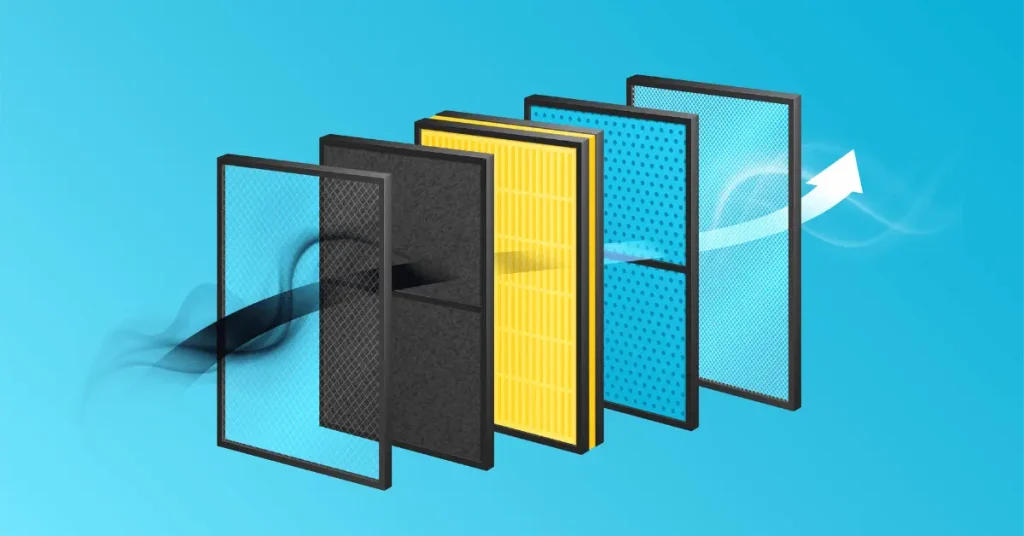
Wondering how often should commercial HVAC filters be changed? The frequency of filter changes in commercial HVAC systems greatly impacts the system’s overall performance, energy efficiency, and air quality. Understanding how often you need to change HVAC filters is important for keeping the inside of a building healthy and ensuring the HVAC works right. So, today, we will discuss the ideal frequency for changing commercial HVAC filters, its importance, and what happens if you ignore it.
How Often to Change Your HVAC Filter: All You Need to Know
Basically, the frequency of commercial HVAC filter change depends on the type of business, surroundings, and equipment. In clean settings, filters should be changed quarterly, while dusty environments may require monthly changes. Basically, harsher environments or active systems need more frequent changes. Remember to replace your filter before it becomes too clogged to work efficiently.
Factories, restaurants, hospitals, auto shops, and other businesses with heavy machinery, chemicals, grease, and oil should often change HVAC filters. However, ultimately it depends on air quality and filter type How often to change your HVAC filter frequently.
Importance of Regular Commercial HVAC Filter Changes
Your HVAC System’s Efficiency Matters
Have you noticed your HVAC system working too hard to maintain or adjust that temperature? Clogged filters might be the reason. They act like traffic jams, slowing airflow and forcing your system into overtime. The result? Higher energy bills and unnecessary repair costs. Regular filter changes? They keep things flowing smoothly, ensuring your HVAC system doesn’t have to work too hard.
Better Indoor Air Quality
Filters are like guards because they catch dust, pollen, and other tiny things floating in the air that we can’t see. They catch these pesky intruders, sparing you from inhaling them. Replacing these filters on time ensures that you have a space where every breath is fresh and clean, promoting the well-being and comfort of everyone inside.
Extends Equipment Life
Think of your HVAC system as a hardworking athlete. Now, imagine that athlete trying to perform with a backpack full of rocks – that’s what clogged filters do. They make your system too hot by putting strain on it, which causes it to break down faster than it should. So, change the filter before it is clogged. They’re like giving your HVAC system a spa day, ensuring it stays fit and dances gracefully through the years.
Hazard Avoidance
Clogged filters are dangerous and inconvenient. Overheating can cause malfunctions and fires or carbon monoxide leaks. Regular changes are your preventive measures, to keep your HVAC system in check and your space safe.
Compliance Matters
Sometimes, it’s not just about common sense – it’s about rules. Some leases and building codes require regular filter changes. It’s more than paperwork—it’s a commitment to building safety and well-being.
Dangers of Ignoring Timely HVAC Filter Replacement in a Commercial Space
Ignoring changing a clogged commercial HVAC filter can result in poor indoor air quality, lower efficiency, broken equipment, safety risks, and more. Your HVAC system has to work harder while consuming more power because the filter is clogged. Fires and carbon monoxide leaks can result from HVAC system overheating due to neglected filter changes. Regular changes keep your system safe and running smoothly.
DIY vs. Professional HVAC Filter Change – Comparison
Aspect | DIY Filter Change | Professional Filter Change |
Cost | You don’t have to pay to have it changed | Additional costs, including labor and service fees. |
Convenience | This can be done at the owner’s convenience. | Requires scheduling an appointment and wait time. |
Control Over the Process | The process is under the owner’s complete control. | Technicians have the expertise to perform the change. |
Expertise | Requires basic knowledge of the process. | Technicians have the knowledge and experience. |
Time | May take longer, especially for inexperienced owners. | Typically faster, with the change done in no time. |
5 Signs That You Should Commercial HVAC Filter Need Changing
- A Dirty or Discolored Filter: An ideal filter will appear predominantly white but darken as it gathers dust and debris. Replace the filter if it looks too black and dirty.
- Electricity Bill Spike: A sudden electricity or power bill increase over several months may indicate that your air filter needs changing.
- White Sheet Test: Hang a white sheet several inches from the air vents and leave it in place for an hour. If the sheet goes gray or black, it means you need to change your filter.
- Eye Test: Regularly inspect your air filters for visible dirt and dust. If they appear dirty, it’s time to change the filter.
- Pet Dander: The presence of pet dander is a major sign that you must change your filters at least once a month.
Wrapping Up
Maintaining optimal filter change frequency in commercial HVAC systems is a cornerstone of efficient operation. By understanding how often to change your HVAC filter, you can schedule and customize it to your specific needs, ensuring a healthy indoor environment, and maximizing the lifespan of your HVAC equipment So, make sure you swap the filters in due time, and let your filters breathe new life into your commercial space.